Why Is My Dog So Anxious?
· admin
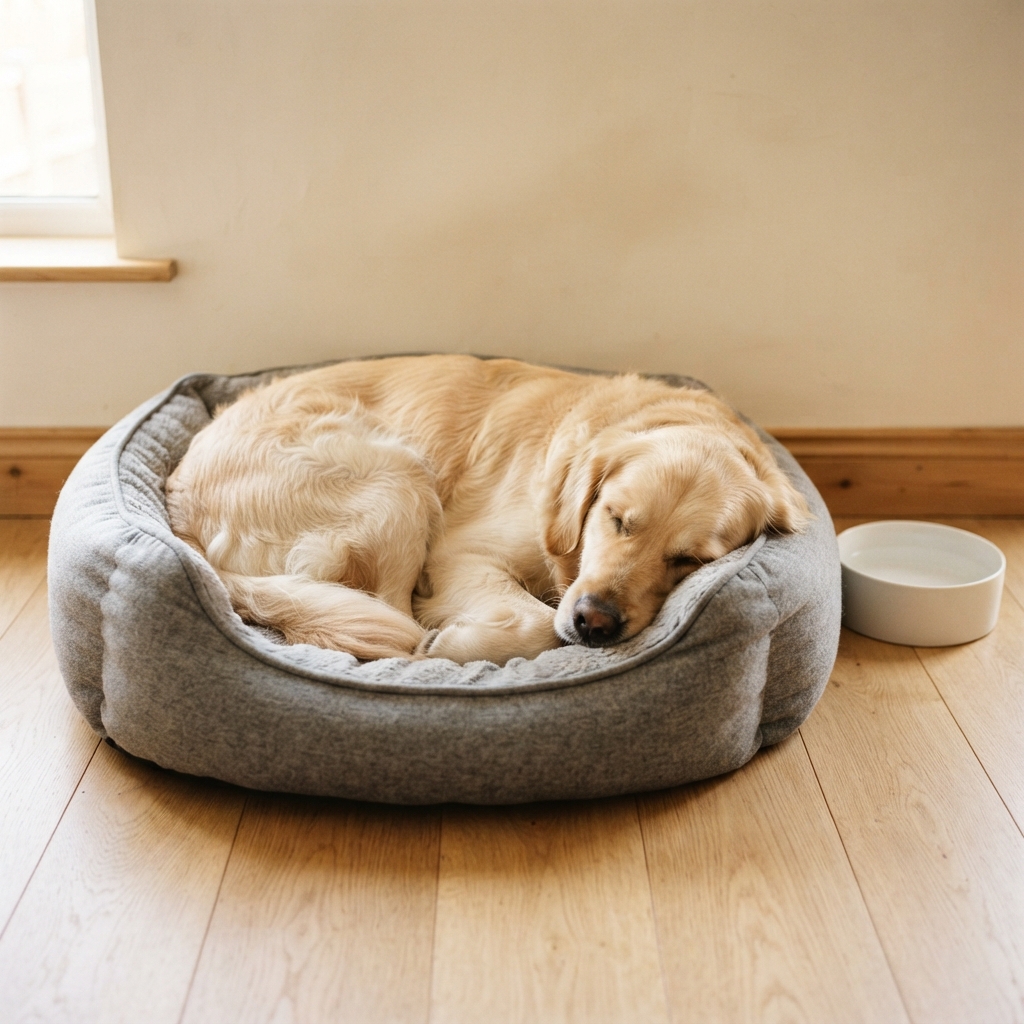
Trembling, panting, pacing, hiding under the bed or following you from room to room: an anxious dog is hard to watch. The good news is that, with patience and a few changes at home, most anxious dogs can learn to feel much safer.
Common causes of anxiety
- Loud noises: fireworks, thunderstorms and load-shedding generators are big triggers.
- Being left alone: some dogs panic when their person leaves.
- Change: moving house, a new baby, a new pet or a new routine.
- Past experiences: rescue dogs may carry fears from before they found you.
- Too little exercise: unused energy can turn into restlessness and worry.
What really helps
- Create a safe den. A cosy, covered bed in a quiet corner gives your dog somewhere to retreat.
- Keep a routine. Regular walks, meals and bedtimes help dogs feel secure.
- Stay calm yourself. Dogs read our mood, so a calm voice helps more than lots of fussing.
- Practise short goodbyes. Leave for a few minutes, come back calmly, and slowly build up the time.
- Use comfort items. A calming bed, a snug wrap or a long-lasting chew can soothe nerves.
- Plan for fireworks. Keep your dog indoors, close curtains and play gentle background music.
When to speak to a vet
If your dog’s anxiety is severe, they hurt themselves trying to escape, or it’s getting worse, talk to your vet. Pain can cause anxiety too, and your vet can suggest a behaviourist or, if needed, calming treatments. Never give your dog human medication.
The heart of it
An anxious dog isn’t being difficult. They’re scared, and they’re looking to you to show them the world is safe. Every calm walk, every cosy nap and every gentle word builds that trust, one day at a time.
More guides you might like
Please note: this is general care advice, not medical advice. Every pet is different, so always confirm with your vet, especially if your pet seems unwell, is in pain, or needs medicine.
Leave a Reply